Putter Fitting with the Quintic Ball Roll System
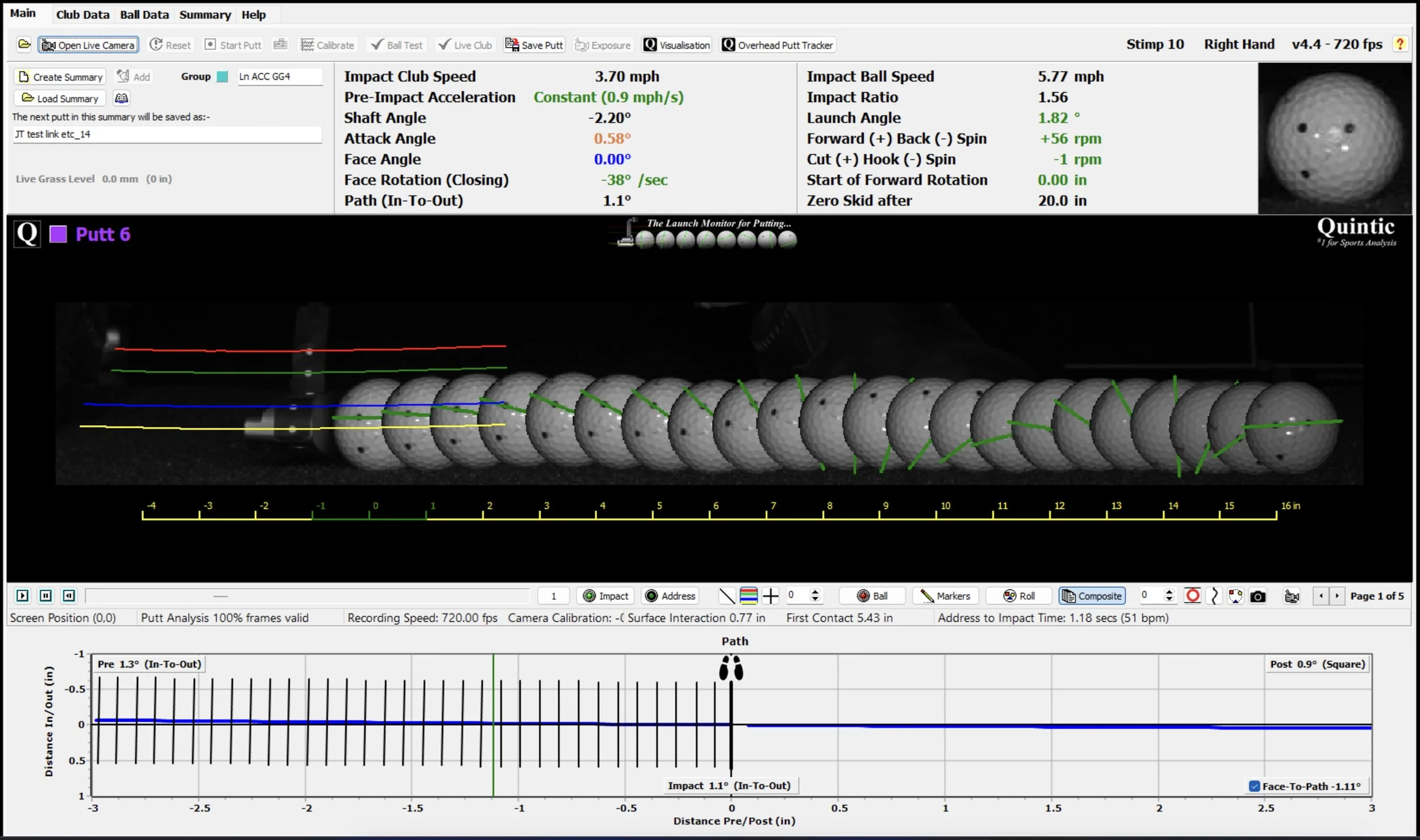
To determine the optimum putter for your game we examine all aspects of your putting game, determine how your putting tendencies affect making a putt, and identify effective adjustments that can improve your success on the green. The data from analyzing putts with your current putter and/or our test putters together with understanding your movement patterns and preferences are the basis for identifying the best putter for you.
Every nuance in the interaction of putter and ball through the impact zone is measured with a Quintic Ball Roll research system using a high speed camera at 720 or 1080 fps since many movement patterns are difficult to detect by eye. No device is attached to the putter to affect its movement or balance. More than 50 parameters are measured for each putt to identify the factors that identify consistent patterns in your putting stroke.
The above figure shows a subset of key results for a 12 ft putt selected from several putts with a test putter. Results color-coded green or blue are good to excellent, results coded orange or red indicate where improvement is recommended. The development of ball spin and its effects as created by the putter and contact with the putting surface is illustrated here. A putt can be missed by an aiming error of +/- 2º at 5 ft, and +/- 1º at 8 ft.
During a fitting we determine optimal length, lie angle, loft angle for your putting stroke when the putter lies flat on the putting surface in its optimal position. We show how your address position affects these parameters. We examine total weight and weight distribution in the shaft and putter head since they influence putter feel, tempo, and awareness of the putter in space and face control through impact. The effects of grip options are tested.
Several putters (including zero-torque models) from popular brands are available for testing. We have L.A.B. and Evnroll stock models and several custom versions with lie angle and shaft options to help select the right model for your putting stroke. Our Evnroll fitting kit allows us to combine different putter head designs, hosel designs, heel/toe weighting, and adjust lie and loft angles during a fitting to fine tune the selected putter design.
After the ball launches from its resting place it skids and bounces on the putting surface. Vertical bounce friction with the turf slows ball speed as revealed in the figure below. The putter face at vertical bounce impact determines ball direction and speed. When the full circumference of the ball begins constant contact with the surface (true roll), turf interaction with the ball determines its path and distance. Excessive vertical bounce can alter ball path and reduce the accuracy and distance travelled by the ball.

The image below shows changes that can occur in your putting stroke between the address position and impact. Putter face aim was the same at address and impact (coded blue) but impact with the ball was slightly toward the heel causing a subtle negative twist that closed the putter face (coded green). The low point of the putting stroke arc was an inch behind the ball position. Changes in putter lie, as well as shaft and putter attack angles between address and impact are illustrated. Identifying the underlying factors in the putter design effect effects on consistency and relationships that indicate adjustments to consider for improvement.

The analytical depth of the Quintic Ball Roll system allows golfers to measure how their address position (e.g., posture, ball position, body stability, how the putter is held) affects movement patterns in their putting stroke. Effects of putter design, shaft location and weight distribution on putting mechanics can be measured and correlated with success in making a putt. QBR has become the reference standard for putting analysis by coaches and putter OEMs due to its accuracy and range of easy to understand measurements.
Quintic putter fitting quantifies the influence of multiple putter designs factors on path control and ball roll. Rate limiting effects on accuracy and speed control are measured, and specific adjustments needed to make the putt can be identified and adjusted during the fitting. Quintic analytics together with demo putters available in person is the optimal way to experience a complete fitting.
Zero-Torque Putters
The defining feature of a zero-torque putter is a natural alignment of the putter face that keeps the face oriented towards the target during the putting stroke. The putter face will be perpendicular to the target line, facilitating aim and straight forward roll of the ball.
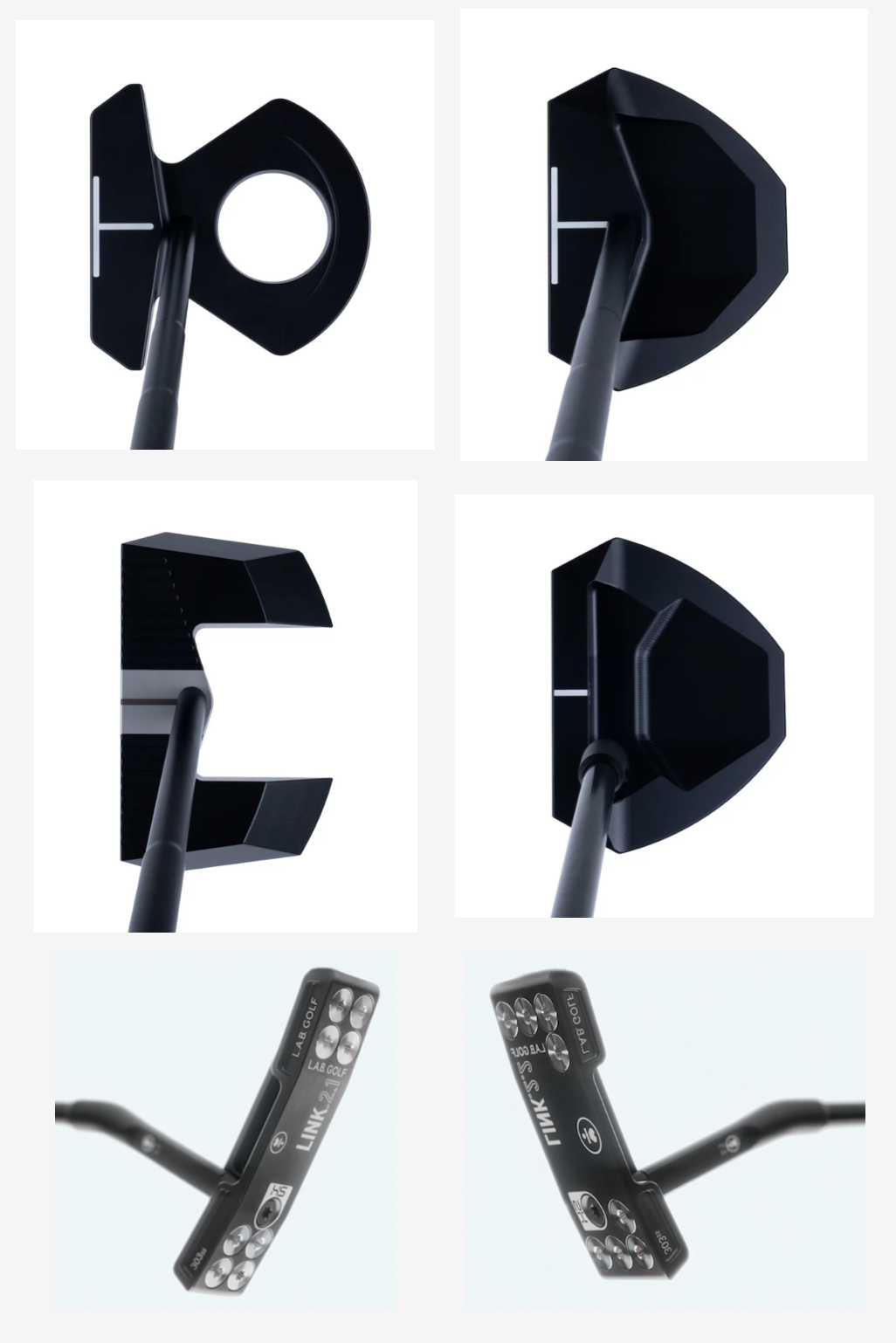
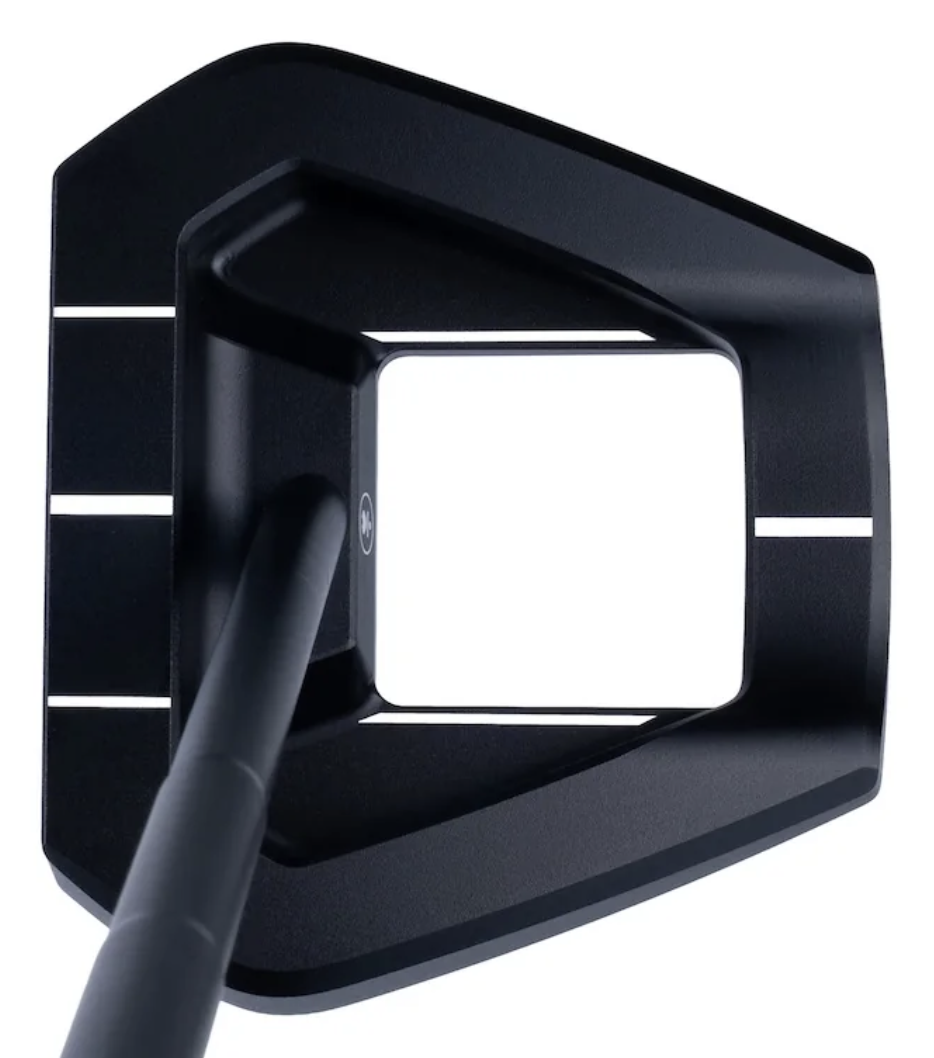
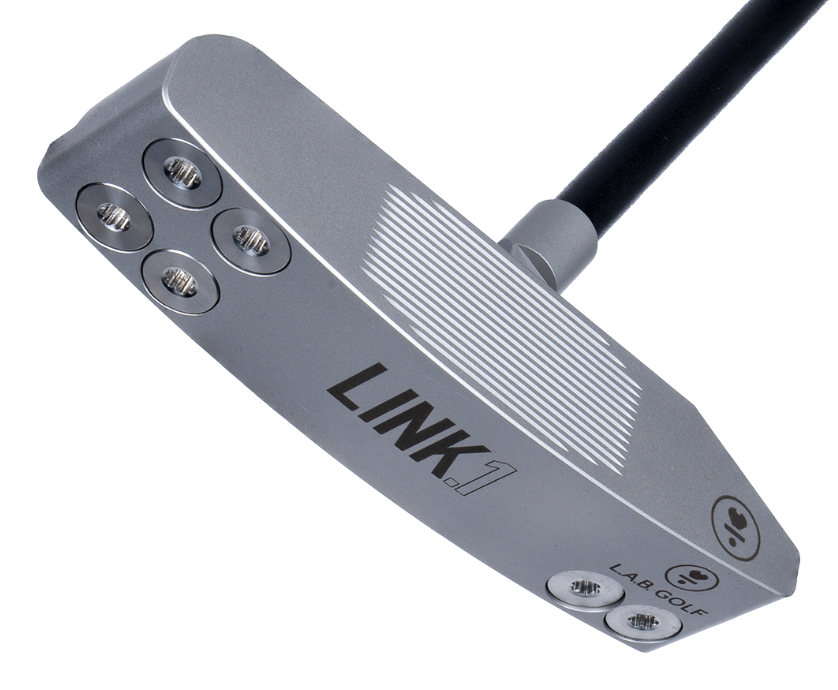
Novel designs by L.A.B. Golf have had a major impact on the putter industry by their use of zero-torque technology. Models are shown here (top left clockwise DF3, OZ.1, OZ.1HS, Link 2.2, Link 1, VZN.1i, Link 2.1, Mezz 1) as they would appear when held at their horizontal balance points. They’re available with industry leading multiple choices for lie angle, length, and alignment marks to enable an effective custom fit.
The effectiveness of each design varies among golfers due to the interaction of putting stroke tendencies and putter design factors. Putter fitting in-person fitting allows golfers to test and feel the effects of each design during the putter selection process. Data analytics identified during a fitting with demo putters can be used to make and compare adjustments in putter weight, design, or technique to select right model for you.
Evnroll Zero-Torque Technology
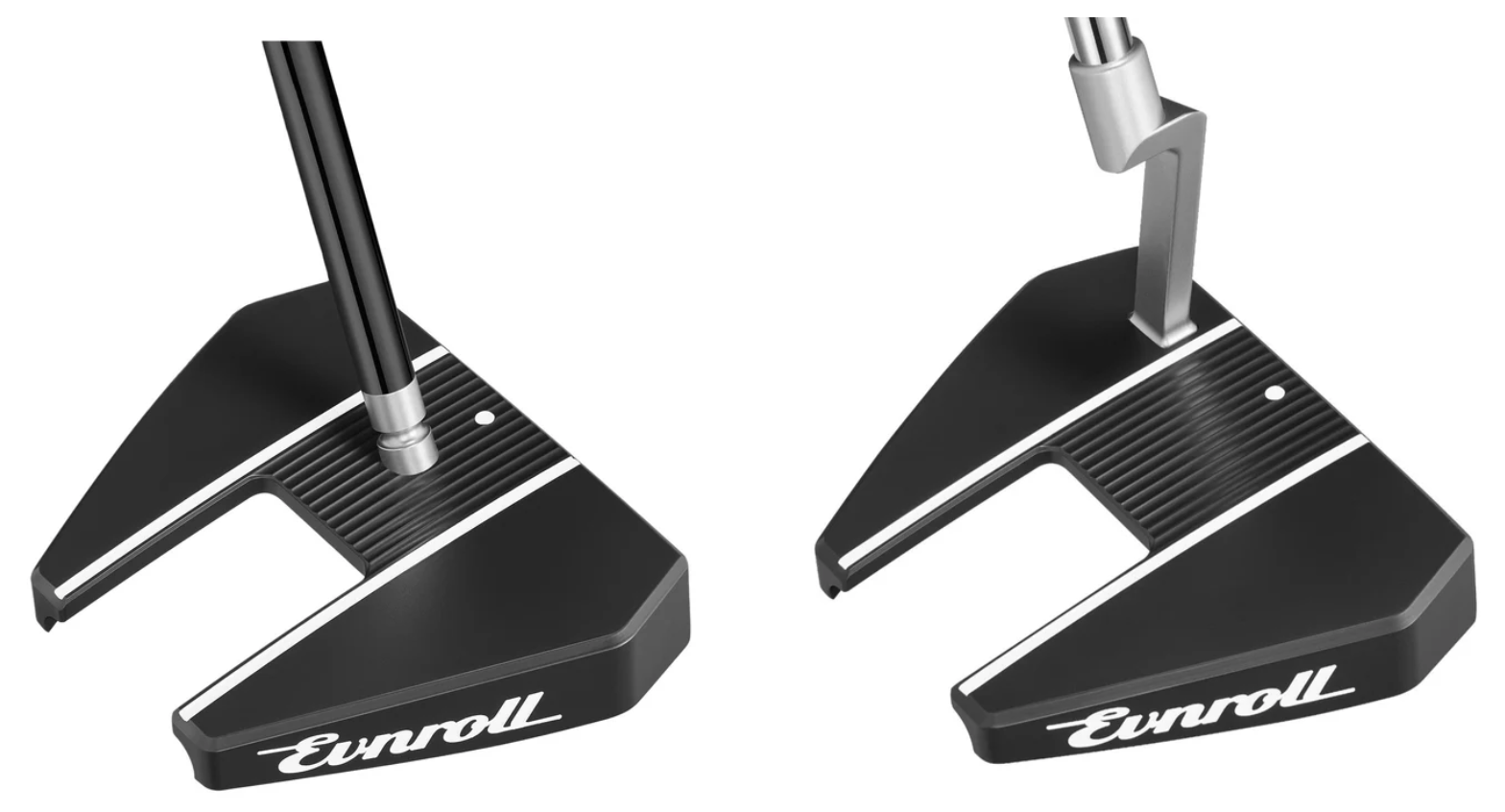
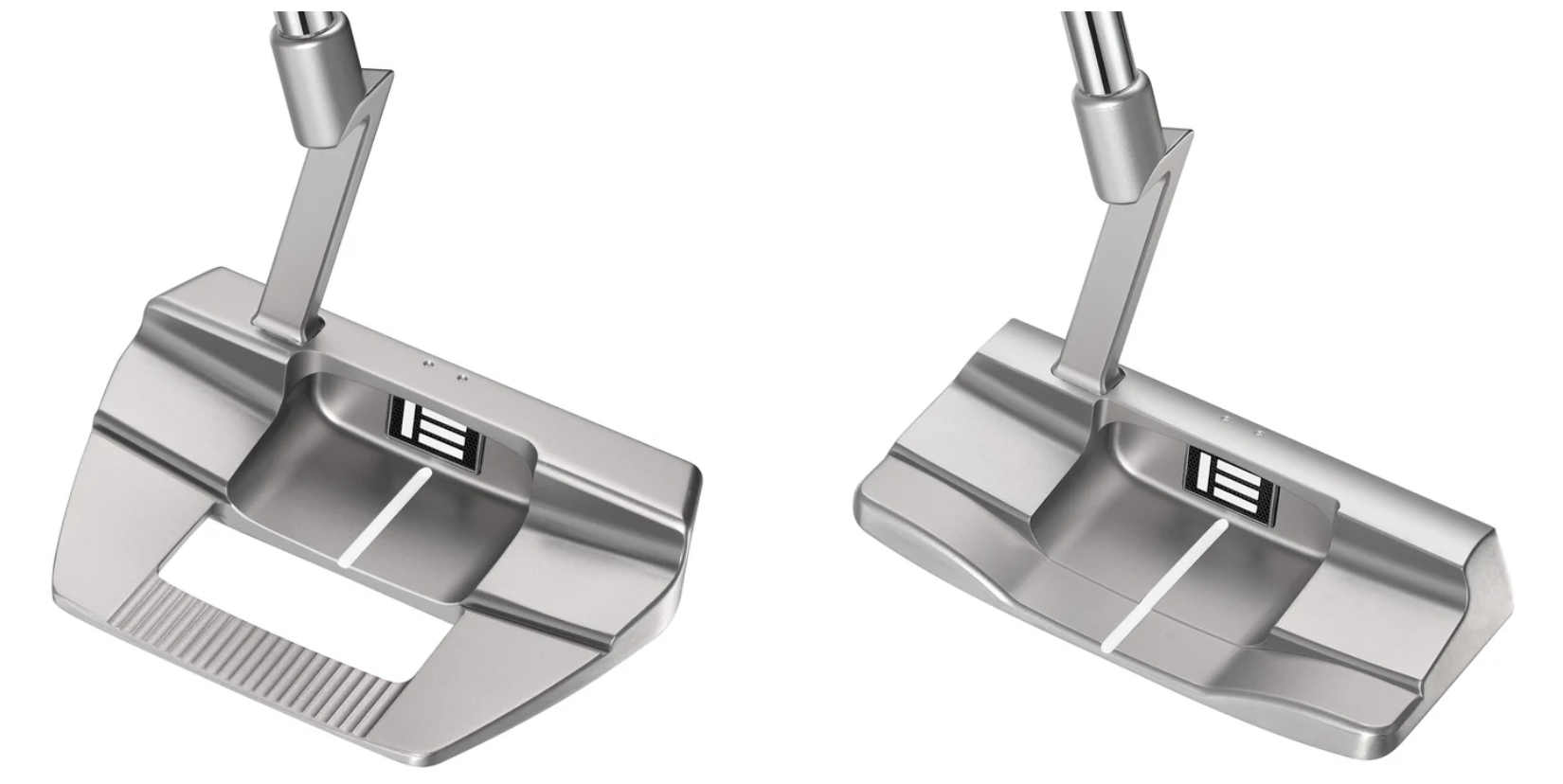
Evnroll’s “face forward” design aligns the shaft with the putter head center of gravity to yield a zero-torque effect in their “Zero” mallet and blade putters. They’re available with black or satin finishes. Shafts are installed in heel or center locations with orientations that do not obstruct putter face alignment.
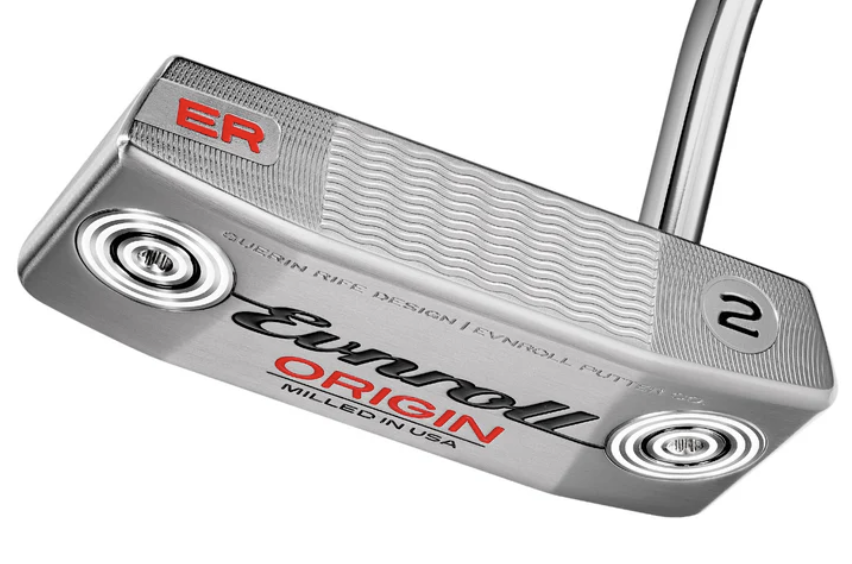
The impact region on the face of Evnroll putters has unique groove designs with a differential milling pattern in all current models. This technology results in a forward spin across the impact zone to measurably improve distance control by minimizing ball path dispersion. Ball impact results in a distinct smooth feel.
Evnroll has been a leader in creating distinctive grip design options for putters that optimize hand position in the address position and putter stability during the putting stroke.
The modularity of Evnroll putters is an advantage in fitting. Weight distribution and hosel design can be changed during a fitting to match the movement patters of the golfer. We also include shaft selection for players who are especially sensitive to feel.
Evnroll Zero-Torque Designs
ADVANTAGES OF HIGH LIE ANGLE PUTTERS
Fitting with Quintic Ball Roll analytics helps evaluate how different putter design elements affect putting stroke accuracy. One design option stands out: lie angle and its influence on ball roll and path.
Lie angle is the angle of the putter shaft relative to the putting surface when the putter sole is flat on that surface. The optimum lie angle and length for each individual golfer is measured with an adjustable fitting putter to make easy adjustments for both specifications. Shaft length affects posture angles when holding the club and addressing the ball. A properly fit putter facilitates accurate visualizing of the putt target line when a golfer is in a stable access position with eyes oriented over the ball.
Conventional putter designs typically have stock production lie angles of 69º - 72º. However, the optimal lie angle for individual golfers can be found over a much greater range. Custom putters with higher lie angles allow the rotational arc of the putting axis to be closer to the ball, minimizing putter stroke timing errors in the impact zone, and reducing unwanted torque. Higher lie angles make it easier to adopt an address position that improves aiming accuracy and helps to develop a putting stroke with improved control of the direction of the putt.
TORQUE EFFECTS IN PUTTING
Torque is a measure of rotational force: it’s the product of an applied force to an object and it’s distance from the axis of rotation. Torque effects are found in the tendency of putter heads to rotate around the shaft insertion point of classic heel-shafted putters and in face-balanced putters during a putt. It’s inherent in the motion of a putter during the putting stroke, and it can be generated by the way a putter is held while putting. When small individual effects are combined unwanted torque can disrupt an accurately aimed putt. Quintic analytics can measure the effects and help identify the major action that would benefit most from strategic improvement.
BGT Paradox Putters
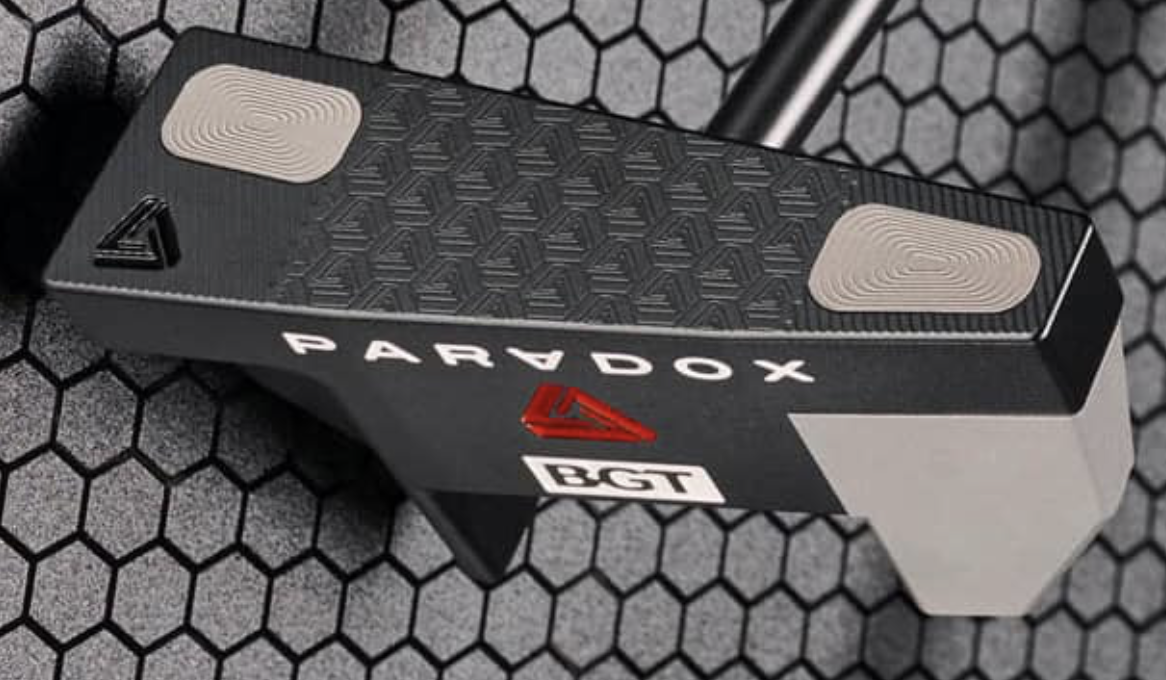
Breakthrough Golf Technology mallets and blades combine a trapezoid face shape with a weight distribution that keeps the face square with the putter swing path. It has low torque performance and a distinctive feel that need to be experienced.
BGT is known for their ultra stable shafts that minimizes unwanted face deflection at impact. Their Stability Tour models simplifies shaft upgrading for a wide range of putters.
L.A.B. Golf Putter Designs
Contact JTClubs for Putter Fitting
Interested in Putter Fitting? Enter your info and let’s schedule a fitting to find the optimal putter for you. We can also analyze the capabilities of your current putter.
During the process we can take a detailed look at your address posture in setting up for a putt, how you grip the putter, as well as aiming and managing face control of the putter in the impact zone. We can evaluate your putting tempo — important for distance control, and if your putter is at constant speed through impact (desirable) or changing speed (not desirable). It’s critical to understand these elements of your putting stroke mechanics to determine the optimal putter design, shaft, grip, and overall properties to be built into your new putter. You can personally measure the beneficial effects of L.A.B. putter design features compared to the alternatives.
Quintic Ball Roll Research System, Accredited Center since 2023
L.A.B. Golf, Authorized fitter since 2024
EvnRoll authorized fitter since 2024
jtclubs@gmail.com 415 587 9815
Quintic Putting
Filters
No results found
No results match your search. Try removing a few filters.